 English
-
jayaxu@kunlangtextile.com
-
+86-18101096022(WhatsApp/ Zalo)
+86-18267999333(Ms. Xu)
+86-15988822786(Ms. Shentu)
-

-

Woven Label Yarn Selection: FDY vs DTY, Denier, Luster and Color
Woven label yarn must reproduce small lettering and logos while running with stable tension and minimal filament damage. For label manufacturers, the best yarn is not simply the finest or strongest option. It is the yarn whose material, linear density, luster, construction, shade and package build match the label design and loom conditions.
FDY vs DTY for Woven Labels
FDY (Fully Drawn Yarn) has relatively straight, smooth filaments. It is often selected when a clean surface, crisp detail, controlled elongation and bright appearance are important. Bright FDY polyester yarn can be suitable for logos, lettering and decorative effects that need higher luster.
DTY (Draw Textured Yarn) has a textured, crimped structure that provides more bulk and a softer hand. It can improve coverage and create a less flat appearance. Depending on the design, semi-dull DTY polyester yarn or full-dull DTY polyester yarn may be chosen for a softer or more matte label surface.
Neither type is universally better. A loom trial is the most reliable way to confirm running performance and visual results.
Denier, Filament Count and Twist
Denier expresses mass per 9,000 metres of yarn. Finer yarn can support small details and dense designs, while a heavier or bulkier yarn can provide coverage and a fuller appearance. Filament count also affects smoothness, handle and the way the yarn spreads in the weave.
Twisting can improve filament cohesion and create a more compact structure. For fine lettering, borders or dense patterns, twisted polyester yarn may help maintain definition. Too much twist can change luster, softness and torque, so TPM should be selected together with the denier, filament count and loom setup.
Bright, Semi-Dull or Full-Dull?
Luster is a design and performance choice:
- Bright yarn gives stronger reflection and a more vivid, glossy look.
- Semi-dull yarn provides balanced reflection for a softer appearance.
- Full-dull yarn produces the lowest-luster, most matte effect.
Luster does not by itself indicate yarn strength or quality. The same label may use more than one luster to create contrast between the background, logo and text.
Color Control and Fastness
For brand colors, send a physical sample whenever possible and agree on the light source, instrument settings and acceptable color difference before bulk dyeing. If ΔE is used, the calculation method and tolerance should be stated. Colorfastness requirements should identify the relevant test method and exposure, such as washing, rubbing, perspiration or light.
Package quality also matters. Tube dimensions, package density, traverse and winding tension can affect unwinding stability and loom stops.
Woven Label Yarn RFQ Checklist
Send the following information for faster sampling and quotation:
- FDY or DTY base yarn
- Denier and filament count
- Bright, semi-dull or full-dull luster
- Untwisted or twisted construction; S/Z direction and TPM if applicable
- Color sample or agreed reference and shade tolerance
- Required colorfastness tests
- Tube size, package weight and winding requirements
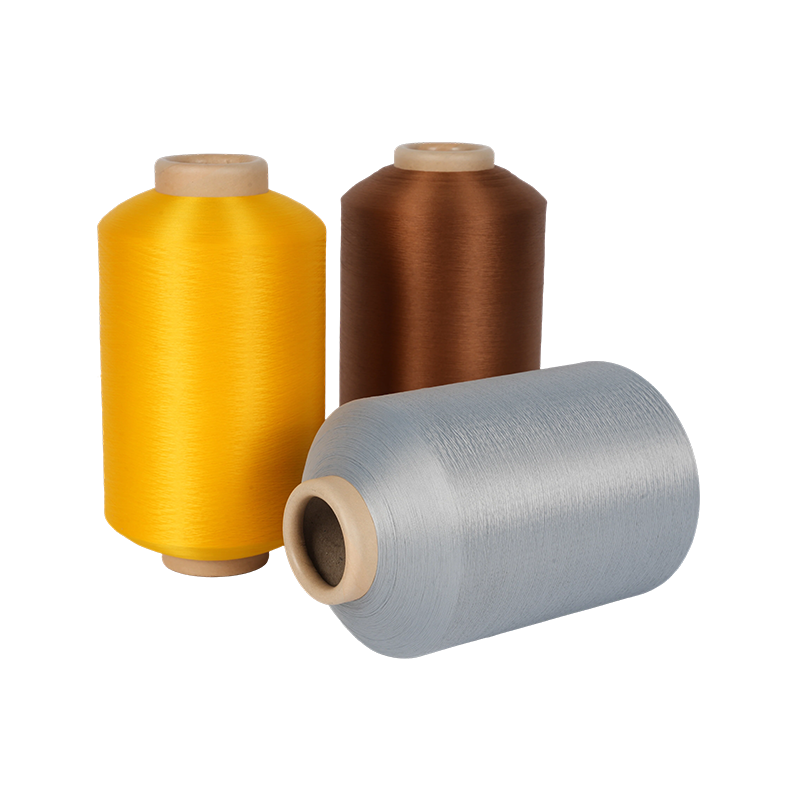
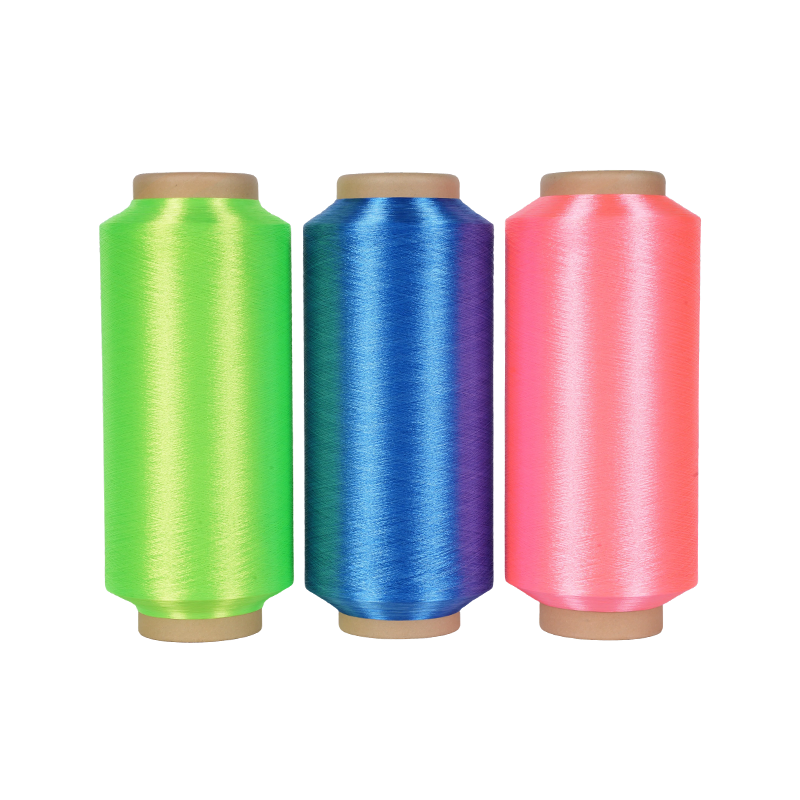
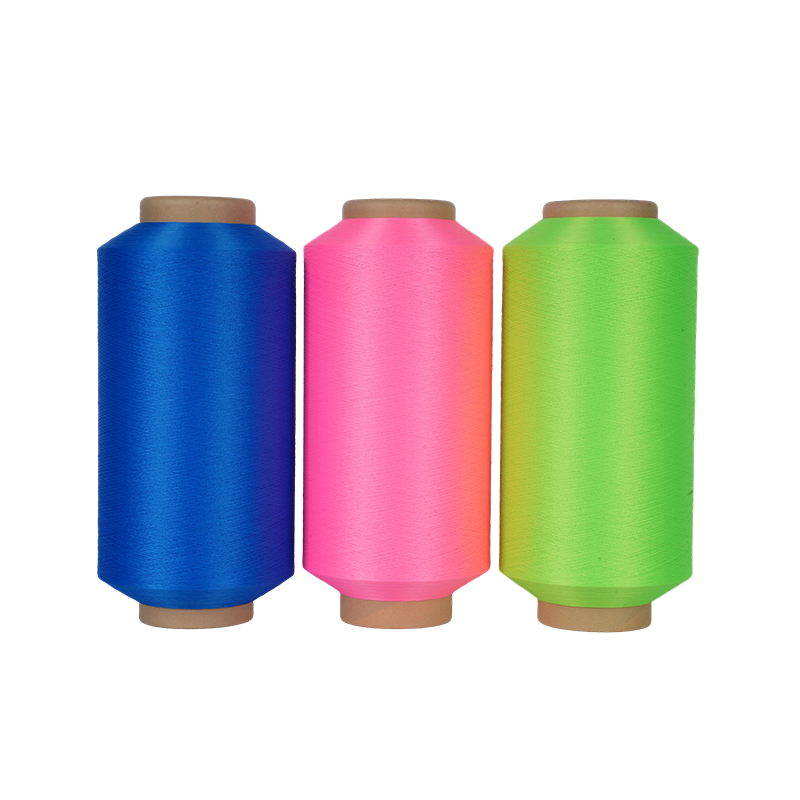
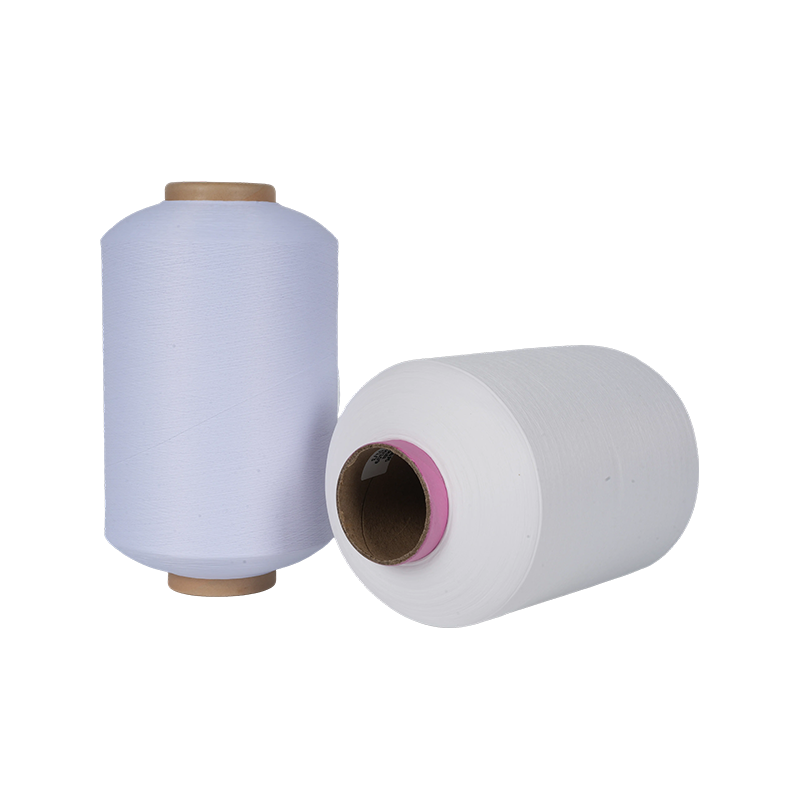
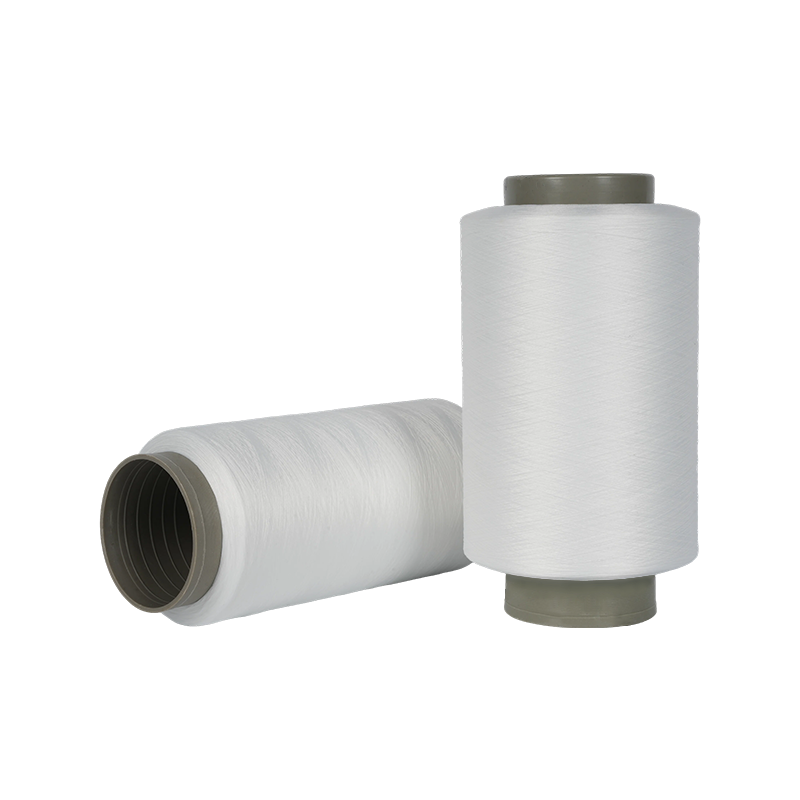
Explore Kunlang’s woven label yarn range and color cards, or send your specification for a sample.

INFORMATION
-

288 Hulian W St, Light Industrial Park, Jiangbei, Dongyang, Zhejiang, China
-

+86-18101096022(WhatsApp/ Zalo)
+86-18267999333(Ms. Xu)
+86-15988822786(Ms. Shentu) -

jayaxu@kunlangtextile.com
Copyright © Dongyang Kunlang Textile Co., Ltd. Rights Reserved.
