 English
-
jayaxu@kunlangtextile.com
-
+86-18101096022(WhatsApp/ Zalo)
+86-18267999333(Ms. Xu)
+86-15988822786(Ms. Shentu)
-

-

Twisted Yarn Explained: S/Z Direction, TPM, Ply and Material
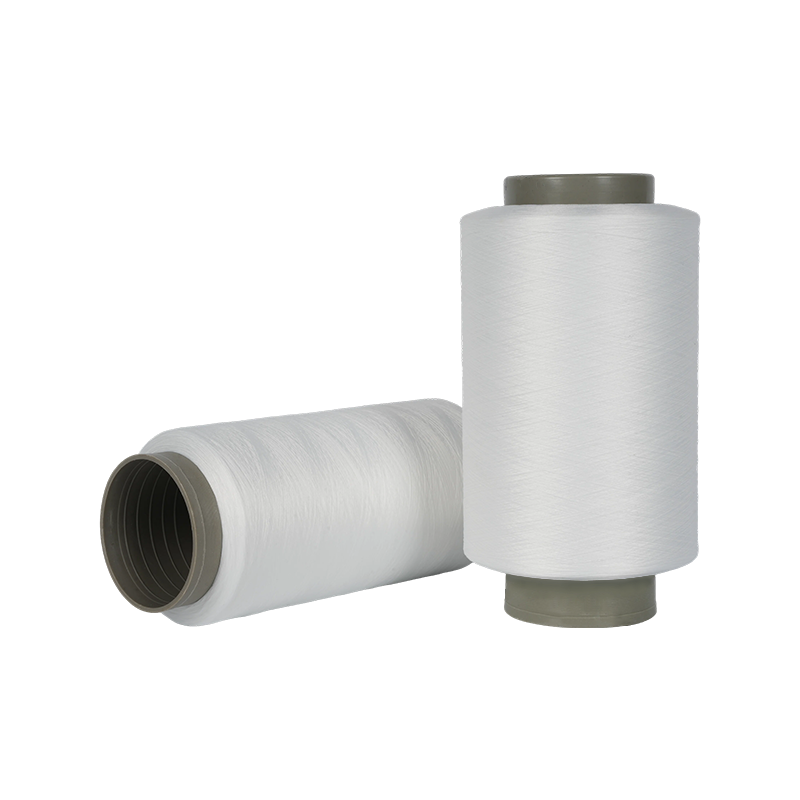
Twisted yarn is a construction, not a single fiber type. Polyester, nylon, rayon and other filaments can be twisted in different sizes, filament counts and ply combinations. The finished yarn is therefore defined by several connected parameters: material, linear density, filament count, number of plies, twist direction, twist level, finish, color and package format.
What Twist Changes
Twist brings filaments or component yarns together. Depending on the construction, it can affect:
- Filament cohesion and resistance to spreading
- Surface appearance and luster
- Strength and elongation
- Flexibility, handle and residual torque
- Unwinding and processing stability
More twist is not automatically better. Insufficient twist may allow filaments to spread or snag, while excessive twist can reduce softness or luster, increase torque and eventually reduce strength. The suitable level depends on the yarn size, material, equipment and end use.
S Twist and Z Twist
S and Z describe the direction of the yarn helix when the yarn is held vertically. The visible diagonal follows the centre stroke of the letter S or Z. Direction matters because it can influence torque, stitch appearance, plying balance and the way the yarn behaves on a particular machine.
In a plied construction, the final ply twist may be opposite to the component-yarn twist to help create a balanced yarn. The correct direction should still be verified by a production trial on the intended equipment.
What TPM Tells You
TPM means turns per meter. It measures twist quantity, but it is not a standalone quality grade. The same TPM can produce different twist angles and performance in yarns with different deniers, filament counts or materials. Heat setting and finishing can further change the result.
For meaningful inspection, the buyer and supplier should agree on the target or range, tolerance, sampling procedure and conditioning method. ISO 2061 and ASTM D1423/D1423M describe direct-counting methods for determining yarn twist; the applicable method and current edition should be confirmed in the purchase specification.
Material and Package Selection
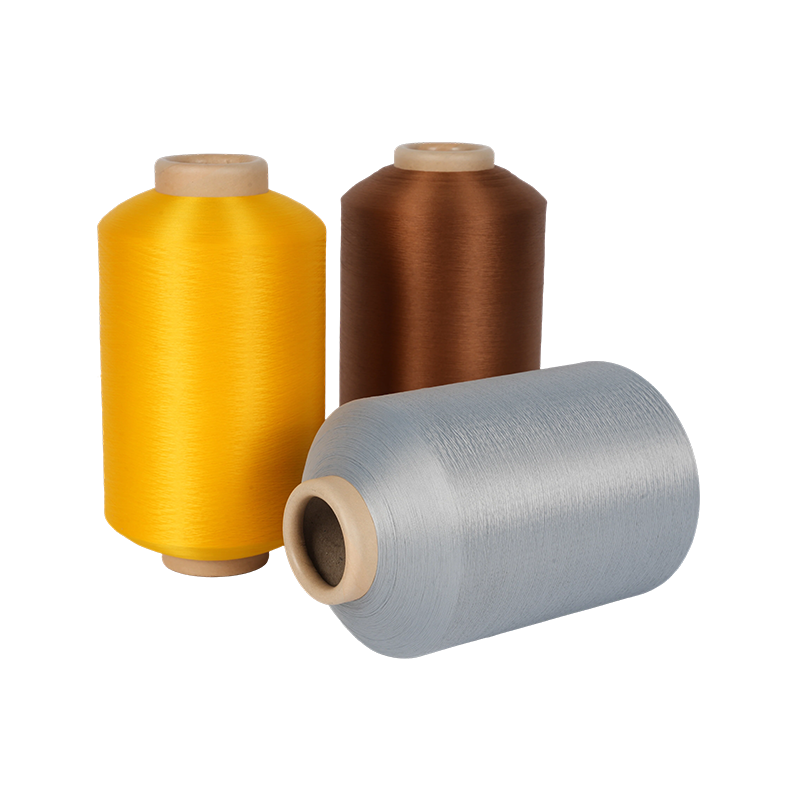
Polyester filament is widely used where dimensional stability, consistent processing and practical care performance are important. DTY-based twisted yarn provides more bulk and texture, while FDY-based constructions can offer a smoother surface. Twisted polyester yarn for woven labels and polyester DTY twisted yarn serve different appearance and processing needs.
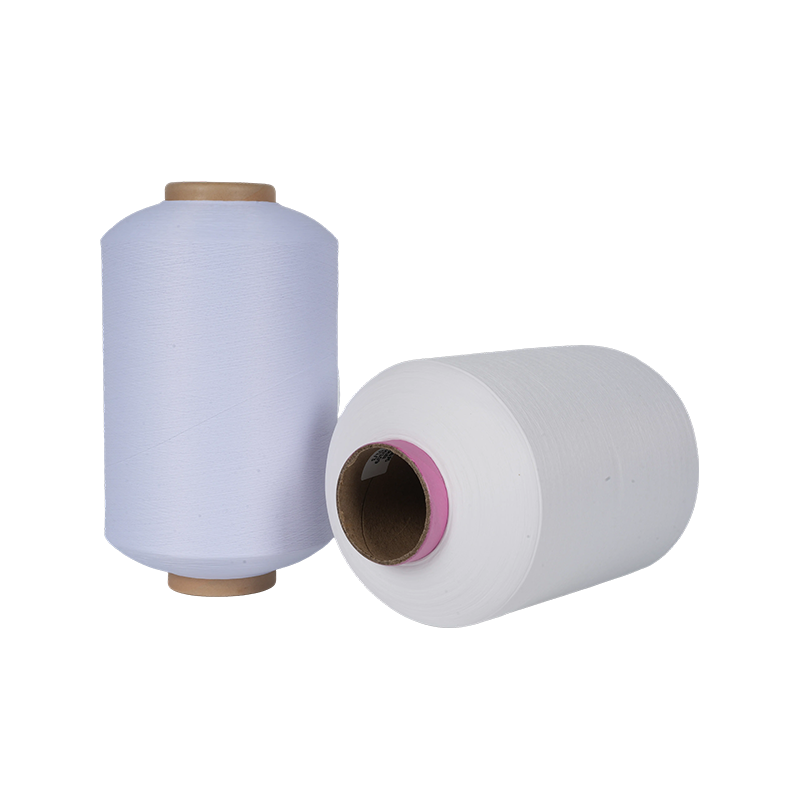
Package build is part of the product specification. Tube dimensions, traverse, density, winding tension, splice policy and package weight can all affect unwinding. A good yarn on an unsuitable package may still cause tension variation or machine stops.
Twisted Yarn RFQ Checklist
To reduce sampling time, provide:
- Fiber type and base yarn (for example, polyester FDY or DTY)
- Denier, filament count
- S or Z direction and target TPM or range
- Bright, semi-dull or full-dull appearance
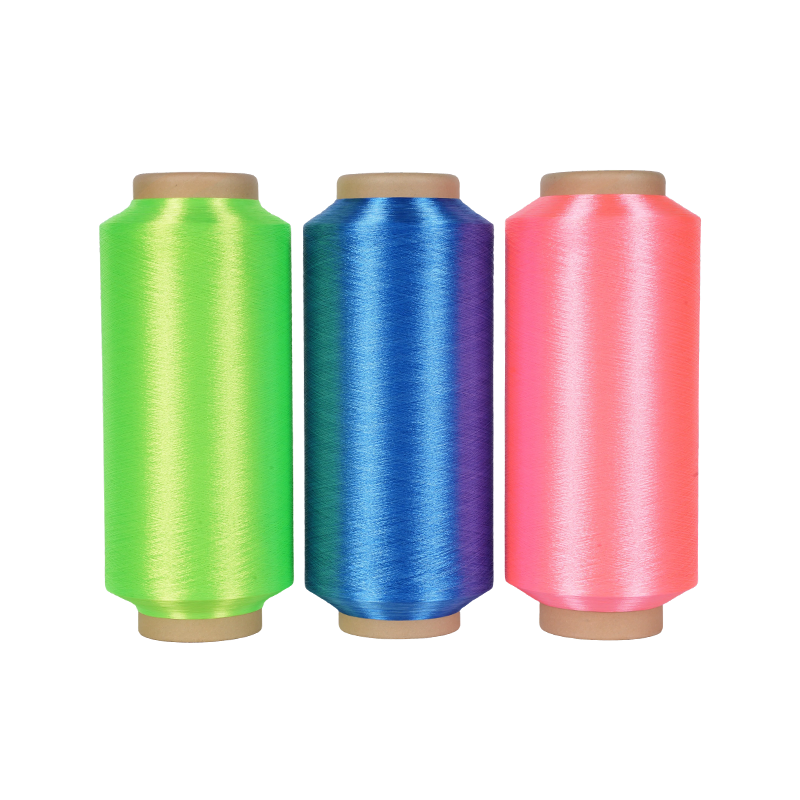
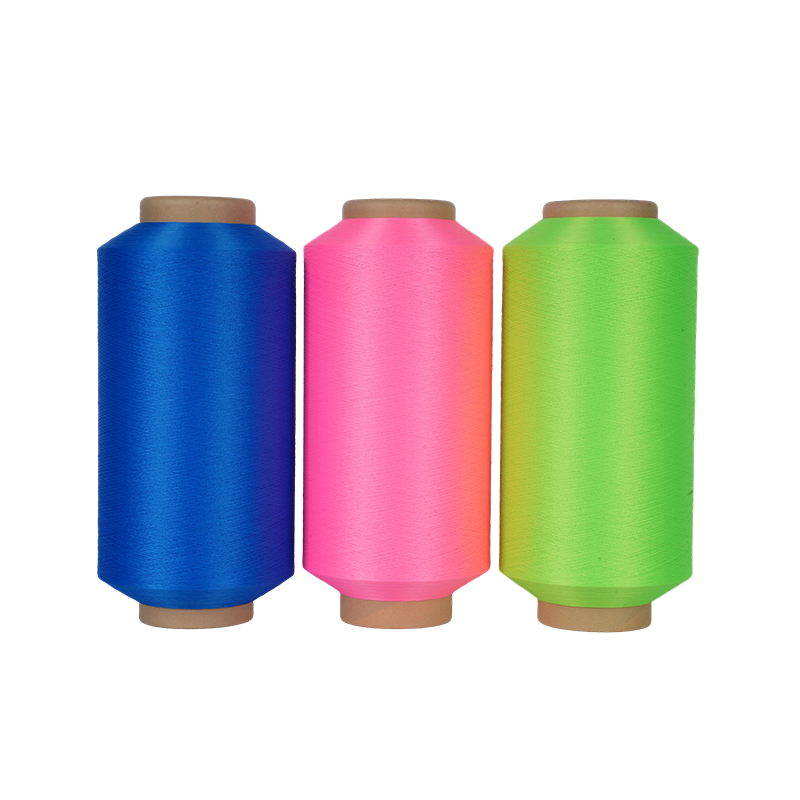
- Target shade, color tolerance and required fastness tests
- Tube size, package weight and winding method
For a custom construction, contact Kunlang Textile with a reference sample or specification. Our team can help review the combination of material, twist, color and package format before bulk production.

INFORMATION
-

288 Hulian W St, Light Industrial Park, Jiangbei, Dongyang, Zhejiang, China
-

+86-18101096022(WhatsApp/ Zalo)
+86-18267999333(Ms. Xu)
+86-15988822786(Ms. Shentu) -

jayaxu@kunlangtextile.com
Copyright © Dongyang Kunlang Textile Co., Ltd. Rights Reserved.
