 English
-
jayaxu@kunlangtextile.com
-
+86-18101096022(WhatsApp/ Zalo)
+86-18267999333(Ms. Xu)
+86-15988822786(Ms. Shentu)
-

-

High-Tenacity Nylon Thread: Properties, Uses and Buying Specifications
High-tenacity nylon thread is used when a seam or textile construction needs a strong, flexible filament yarn with good resistance to repeated rubbing and flexing. Typical applications include footwear, leather goods, luggage, upholstery and selected outdoor or industrial textiles. Performance, however, cannot be judged from the words “high tenacity” alone. Buyers should compare the polymer, yarn size, construction, finish and test data for the intended end use.
What Does High Tenacity Mean?
Tenacity is breaking force relative to linear density. It is commonly reported in cN/tex or grams per denier (g/den). There is no single value that defines every high-tenacity nylon product, because requirements vary by yarn type and application. A useful supplier data sheet should state the result together with the test method, specimen conditioning and whether the value applies to the base yarn or the finished thread.
Nylon 6 and Nylon 66
Nylon 6 and nylon 66 are both used in industrial filament products. Nylon 66 generally has a higher melting range, while the strength, elongation and abrasion behavior of either polymer depend on the grade, drawing process, twist and finishing treatment. Moisture conditioning can also affect nylon properties, so test results should be compared under consistent conditions.
Neither nylon nor polyester is automatically the better choice. Nylon is often selected for toughness, flexibility and abrasion performance. Polyester may be preferred where lower moisture uptake and good dimensional stability are priorities. Outdoor products should use a grade and finish qualified for the required UV, weathering and service conditions.
Bonded, Twisted and Dyed Thread
Twist holds filaments or plies together and influences cohesion, appearance, elongation and torque. Bonded nylon thread has an additional treatment that helps hold the plies together and reduce fraying or untwisting during sewing. The suitable twist level and bonding system depend on the needle, seam design, machine speed and material being sewn.
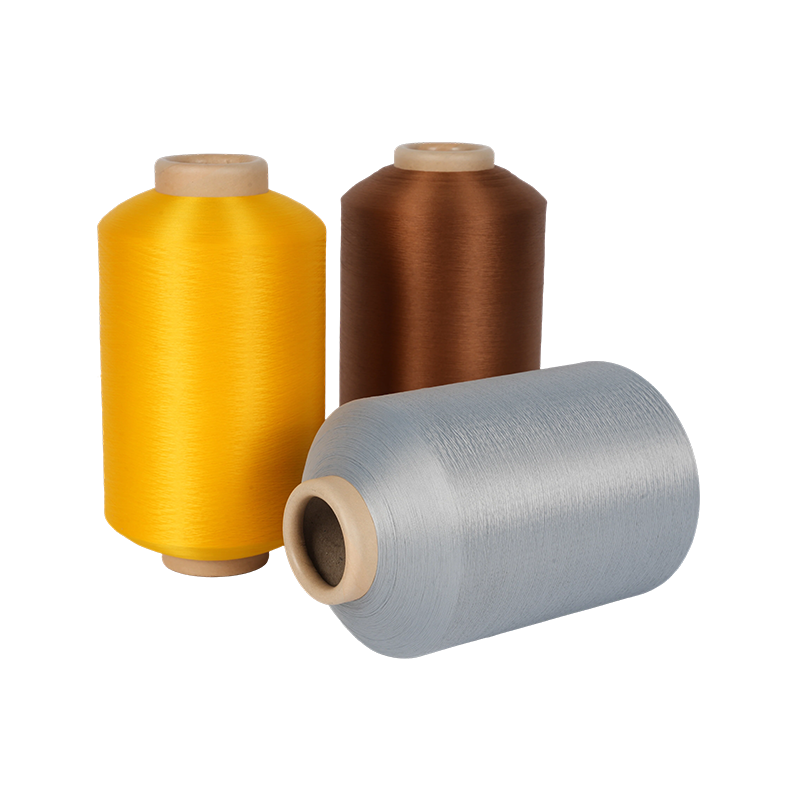
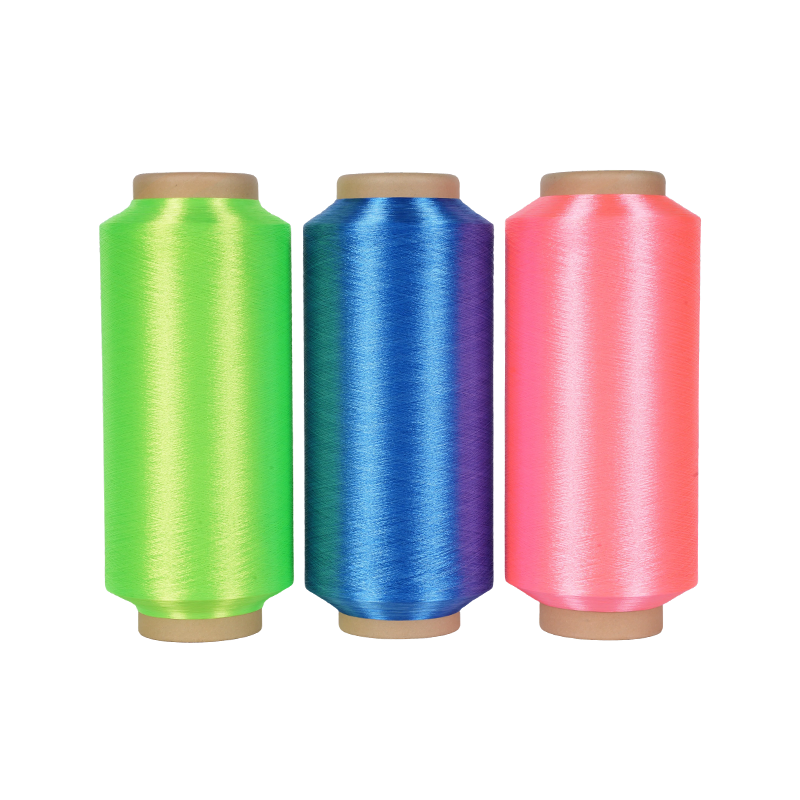
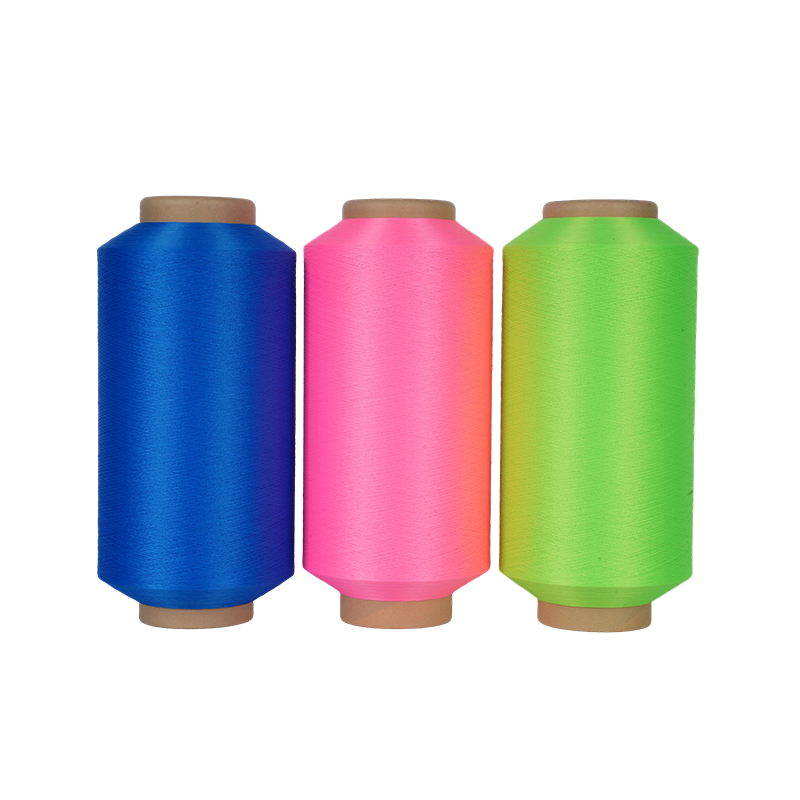
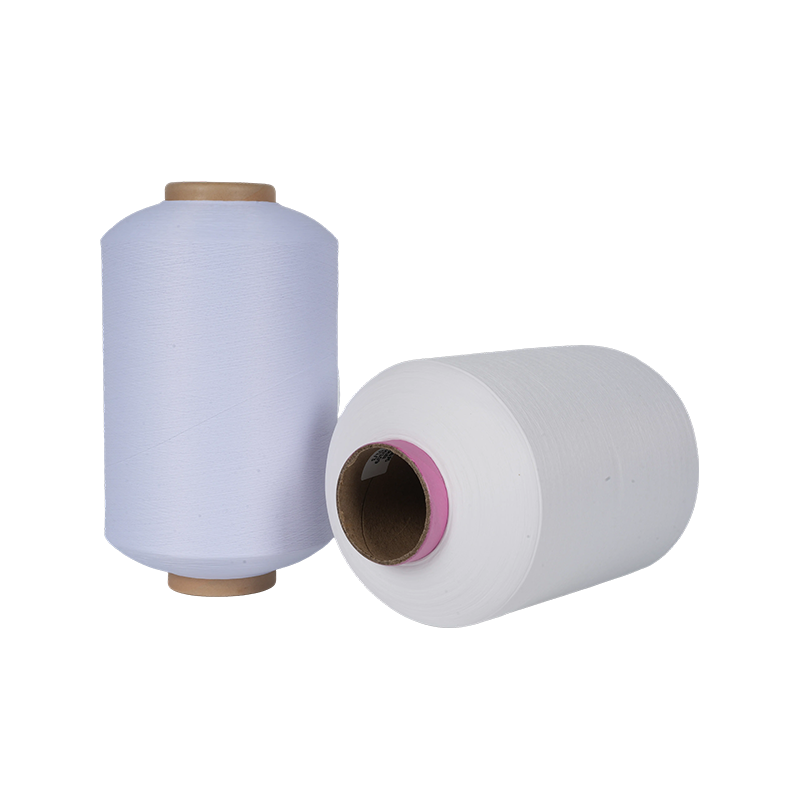
Color should be specified with a physical swatch or an agreed color reference. Buyers should also define the required shade tolerance and relevant fastness tests. A colorfastness grade has little meaning unless the test method and exposure—such as washing, rubbing, light or perspiration—are stated.
What to Send with an RFQ
For an accurate quotation or development sample, provide:
- Nylon 6 or nylon 66, if specified
- Linear density or commercial thread size
- Filament, ply and twist construction
- S or Z twist and target TPM, if required
- Bonded or unbonded finish
- Target shade and required colorfastness tests
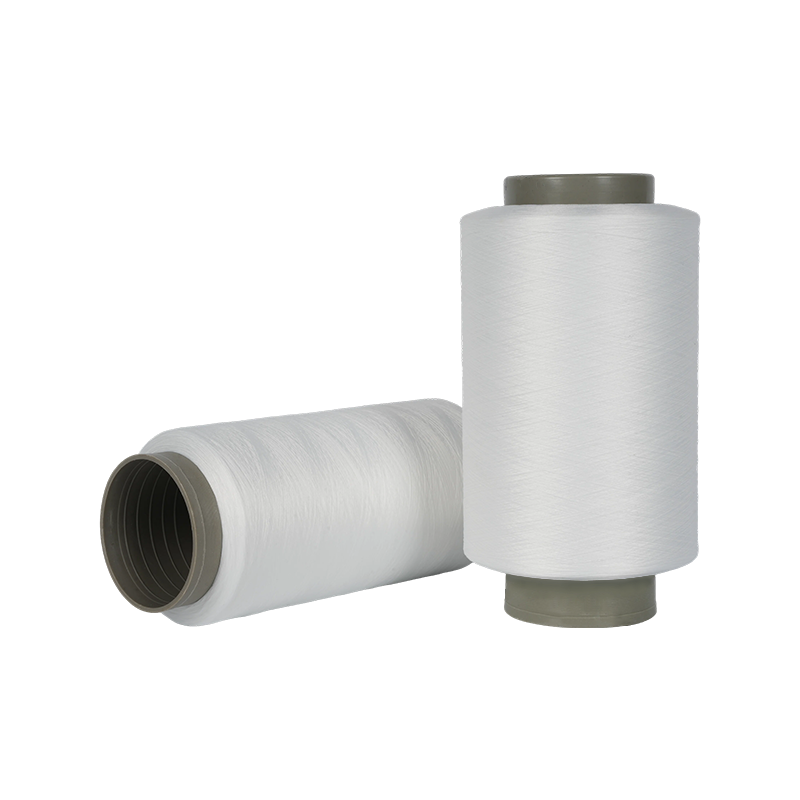
- Package type, tube size and package weight
- End use, sewing machine and needle information
Safety-critical products require application-specific validation and compliance testing; a general yarn description is not sufficient.
Need help defining a dyed or twisted filament yarn? Contact Kunlang Textile with your sample, specification and end-use requirements. You can also review our twisted yarn solutions.

INFORMATION
-

288 Hulian W St, Light Industrial Park, Jiangbei, Dongyang, Zhejiang, China
-

+86-18101096022(WhatsApp/ Zalo)
+86-18267999333(Ms. Xu)
+86-15988822786(Ms. Shentu) -

jayaxu@kunlangtextile.com
Copyright © Dongyang Kunlang Textile Co., Ltd. Rights Reserved.
