
 English
 русский
 Español
-
jayaxu@kunlangtextile.com
-
+86-18101096022(WhatsApp/ Zalo)
+86-18267999333(Ms. Xu)
+86-15988822786(Ms. Shentu)
-

-

How to Choose Woven Label Yarn for Durable, Consistent and Brand-Ready Clothing Labels?
In the apparel industry, a clothing label does more than display a brand name or care instructions. It represents brand identity, product quality, and attention to detail. For garment manufacturers, label producers, and fashion brands, selecting the right yarn is essential to achieving a clear woven appearance and reliable performance. Woven Label Yarn plays an important role in determining the texture, definition, color consistency, and durability of finished labels. As buyers pay closer attention to material quality and supply chain transparency, choosing a suitable yarn has become an important part of efficient label production.
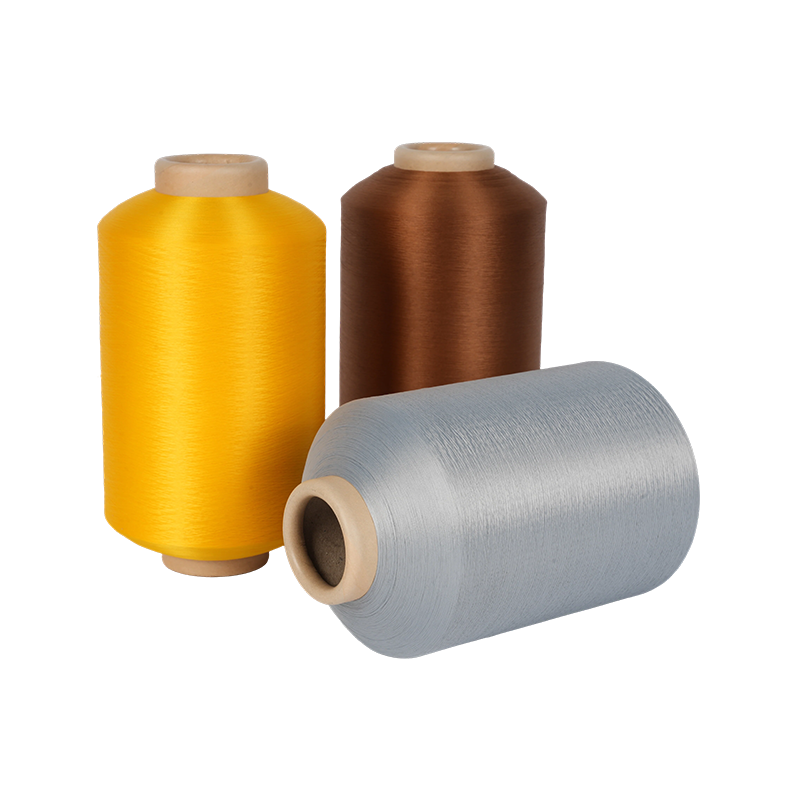
1. Why Does Yarn Quality Matter in Woven Label Manufacturing?
The quality of yarn directly influences how a woven label looks and performs. Unlike printed labels, woven labels are created by interlacing different yarns to form text, patterns, logos, and other design elements. The yarn must therefore provide suitable strength, uniformity, and weaving performance.
Inconsistent yarn thickness can affect fabric density and make fine lettering or detailed graphics less clear. Uneven coloration may also create visible differences between production batches. For label manufacturers supplying clothing brands, these issues can lead to additional adjustments, material waste, and production delays. Selecting yarn with consistent physical properties helps maintain a stable weaving process and achieve more predictable results.
2. How to Select the Right Yarn Material for Different Applications?
Different garment applications require different yarn characteristics. The choice should consider the label's intended use, weaving structure, appearance, and expected washing conditions rather than focusing on material cost alone.
Common considerations include:
- Polyester Yarn: Often selected for its strength, dimensional stability, and suitability for producing detailed woven designs. It is commonly used in garment labels that require consistent appearance and regular handling.
- Nylon Yarn: Offers flexibility and good abrasion resistance, making it an option for applications where mechanical performance is important.
- Recycled Polyester Yarn: Can support brands seeking recycled material options. Buyers should check the recycled content, supporting documentation, and relevant certifications before making environmental claims.
For clothing labels, accessories, sportswear, and workwear, the most appropriate material depends on the balance between appearance, performance, and production requirements.
3. Color Consistency: A Key Factor in Brand Identity
Color matching is one of the practical challenges in woven label production. A brand may have specific color references for its logo, text, and background. Even small variations between yarn batches can make finished labels look different from approved samples.
To reduce this risk, manufacturers should establish clear color specifications before bulk production. Reference samples, standardized color communication, and incoming material checks can help improve consistency. It is also important to evaluate the yarn under consistent lighting conditions because the perceived color may change depending on the light source.
For buyers placing repeat orders, retaining approved samples and production records makes it easier to compare subsequent batches and maintain a recognizable brand appearance.
4. Can Woven Label Yarn Withstand Repeated Washing?
Clothing labels are exposed to washing, friction, heat, and everyday handling throughout a garment's service life. Yarn selection should therefore reflect the actual conditions in which the finished label will be used.
Buyers and label manufacturers should pay attention to several performance factors:
- Colorfastness: Helps prevent unwanted fading or color transfer during washing and use.
- Yarn Strength: Supports weaving stability and helps the finished label maintain its structure.
- Abrasion Resistance: Helps reduce surface damage caused by repeated contact and handling.
- Dimensional Stability: Helps the label retain its shape during normal garment care.
Testing should be selected according to the intended application and buyer specifications. A yarn suitable for decorative fashion labels may not automatically meet the requirements of industrial uniforms or frequently washed sportswear.
5. Material Traceability and the Growing Interest in Recycled Yarn
Sustainability and supply chain transparency are becoming more important in international apparel sourcing. Fashion brands increasingly want suppliers to provide clearer information about material composition, sourcing, and supporting documentation. The European Union's developing Digital Product Passport framework is also bringing greater attention to product-level information and textile traceability.
For yarn suppliers, this creates a practical opportunity to improve material documentation. When offering recycled polyester or other specified materials, manufacturers should be prepared to provide relevant composition details, supplier information, and applicable certification records. Certifications such as GRS may be relevant when the product and supply chain fall within their scope.
Importantly, recycled material claims should be supported by appropriate evidence rather than general environmental descriptions. Clear documentation helps garment manufacturers and brands evaluate materials and communicate more accurately with their customers.
6. What Should Buyers Check Before Placing a Bulk Yarn Order?
Before confirming a purchase, overseas buyers should evaluate both product specifications and the supplier's production capabilities. Requesting samples is a useful first step, but it should be followed by a clear review of technical and commercial requirements.
A practical purchasing checklist includes:
- Yarn composition, count, and thickness requirements.
- Color references and sample approval procedures.
- Strength, uniformity, and weaving performance.
- Colorfastness and other application-specific test requirements.
- Minimum order quantities, packaging, and delivery schedules.
- Material traceability and certification documents, where applicable.
Buyers should also communicate their intended weaving equipment and label applications. This information allows the supplier to recommend a more suitable yarn specification and reduce unnecessary adjustments during production.
7. How Can a Reliable Yarn Manufacturer Support Your Production?
A dependable yarn manufacturer should offer more than material supply. Consistent production management, clear technical communication, and responsive quality control are important for long-term cooperation. From raw material selection to yarn processing and finished product inspection, each stage can influence the quality of the final yarn.
For international B2B buyers, a supplier capable of understanding different label applications can also make product development more efficient. Whether the requirement involves brand logo labels, care labels, size labels, or decorative woven details, discussing the intended application before ordering helps establish suitable specifications.
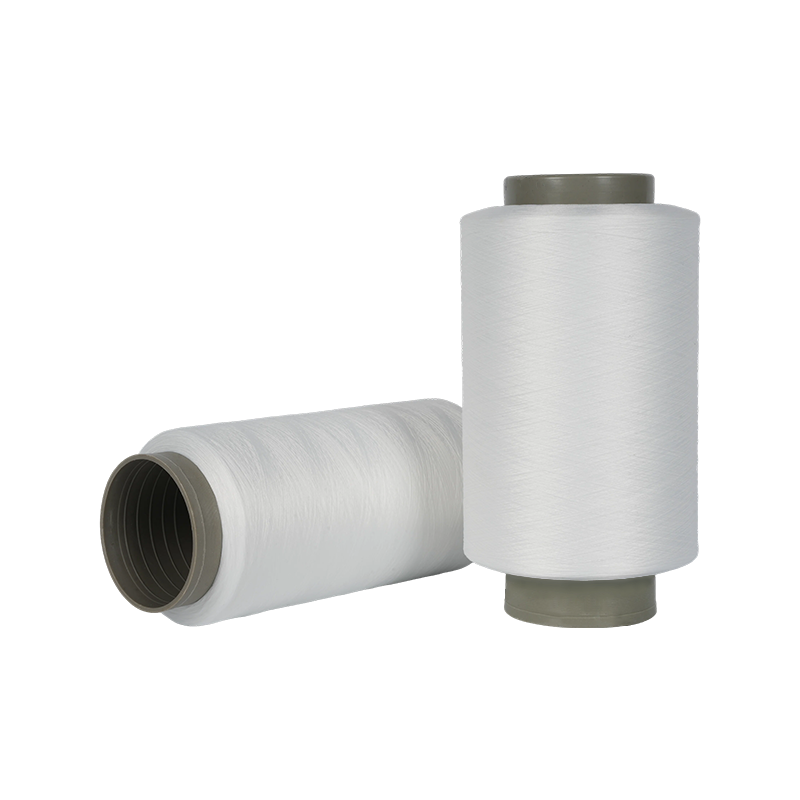
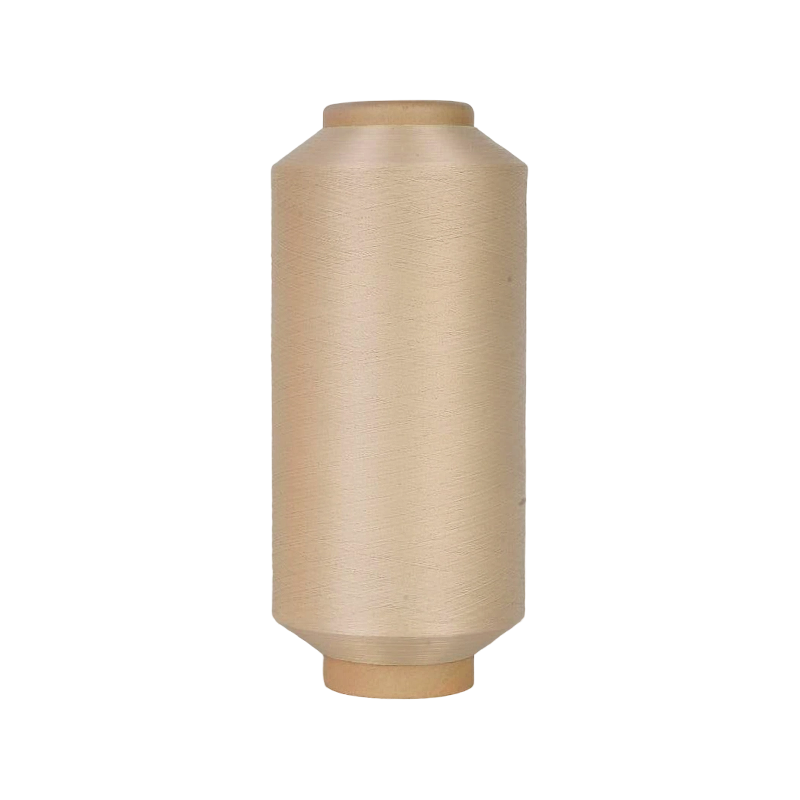
At the manufacturing level, Woven Label Yarn selection is ultimately about matching material characteristics with real production needs. By prioritizing yarn consistency, color accuracy, application-specific performance, and transparent material information, clothing label manufacturers and apparel brands can build a more reliable sourcing process and achieve woven labels that represent their brands with confidence.
INFORMATION
-

288 Hulian W St, Light Industrial Park, Jiangbei, Dongyang, Zhejiang, China
-

+86-18101096022(WhatsApp/ Zalo)
+86-18267999333(Ms. Xu)
+86-15988822786(Ms. Shentu) -

jayaxu@kunlangtextile.com
Copyright © Dongyang Kunlang Textile Co., Ltd. Rights Reserved.
