
 English
 русский
 Español
-
jayaxu@kunlangtextile.com
-
+86-18101096022(WhatsApp/ Zalo)
+86-18267999333(Ms. Xu)
+86-15988822786(Ms. Shentu)
-

-

How Does Yarn Twist Affect Fabric Quality? What Buyers Should Know Before Choosing Twisted Yarn
In textile manufacturing, yarn quality is not determined by fiber composition alone. The way fibers or yarn strands are twisted together also affects strength, surface appearance, handling, and downstream processing. For weaving mills, garment accessory manufacturers, and textile sourcing companies, choosing the right Twisted Yarn is an important step toward maintaining consistent production quality. However, excessive or insufficient twist can create processing difficulties, while uneven dyeing may lead to noticeable color differences in finished products. Understanding these factors helps buyers select yarn that matches their actual manufacturing requirements.
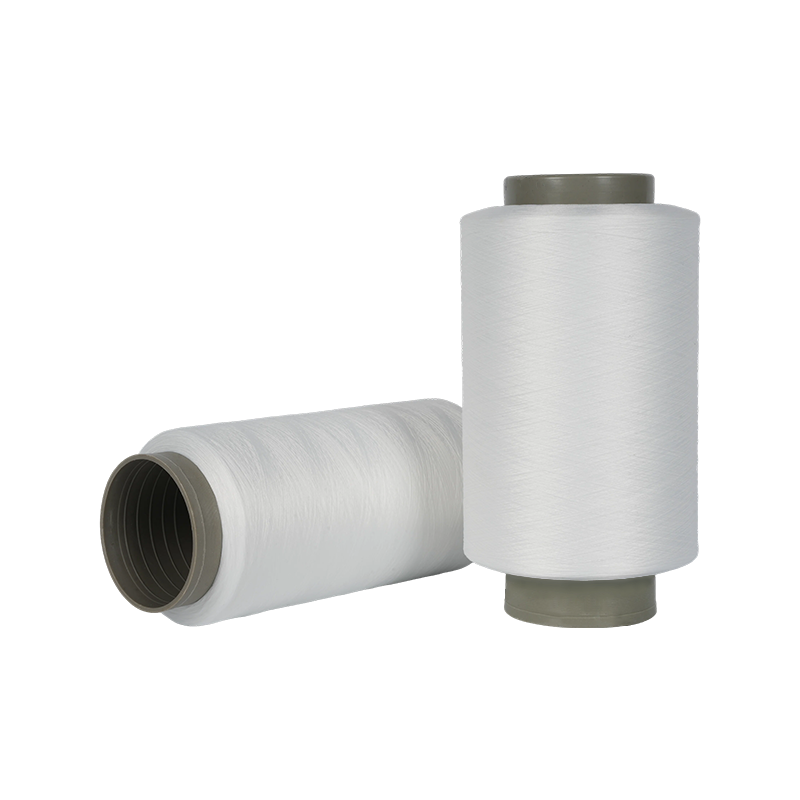
1. How Does Yarn Twist Influence Product Performance?
Twist refers to the number of turns introduced into a yarn over a given length. It determines how closely the fibers or individual yarn strands are held together. Different twist levels produce different physical characteristics, making twist selection an important consideration for textile manufacturers.
Generally, increasing twist can improve fiber cohesion and yarn strength up to a certain point. However, excessive twist may make yarn harder, less flexible, and more difficult to process. Insufficient twist can result in a loose structure, increased fiber shedding, or unstable handling. The appropriate twist level depends on the fiber type, yarn count, intended application, and required fabric characteristics.
2. What Is the Difference Between Single and Multiple-Ply Twisted Yarn?
Twisted yarn can be produced through different construction methods to meet specific textile requirements. Single yarn and plied yarn are two common structures, each offering different processing and performance characteristics.
- Single Yarn: Consists of fibers spun into one continuous strand. Its properties depend on the fiber composition, spinning method, and twist level.
- Two-Ply Yarn: Combines two individual yarn strands through an additional twisting process. This construction can improve strand cohesion and create a more balanced yarn structure.
- Multi-Ply Yarn: Combines multiple strands to achieve specific strength, thickness, texture, or appearance requirements.
For woven labels, sewing-related applications, and decorative textile products, the choice should be based on weaving equipment, fabric construction, and the desired final appearance rather than ply count alone.
3. Why Is Twist Uniformity Important in Weaving Production?
Inconsistent twist can create problems during downstream processing. Differences in yarn tension, strand structure, and surface appearance may affect how the material behaves on weaving equipment. For manufacturers working with detailed patterns or narrow woven fabrics, these variations can become particularly noticeable.
Several production issues deserve attention:
- Uneven yarn tension may affect feeding and weaving stability.
- Loose twisting can increase the risk of strand separation during handling.
- Excessive hairiness may influence surface cleanliness and fabric appearance.
- Differences between production batches can make it difficult to maintain consistent product specifications.
Manufacturers should monitor twisting conditions and inspect yarn samples throughout production. Keeping specifications and process records also helps identify the causes of unexpected variations.
4. Can Dyeing Quality Affect the Performance of Twisted Yarn?
For dyed yarn applications, twisting quality is only one part of the manufacturing process. Color consistency is equally important, especially when buyers need to match yarn shades across different orders. Uneven dye penetration, inconsistent processing conditions, and differences in raw materials can all contribute to shade variation.
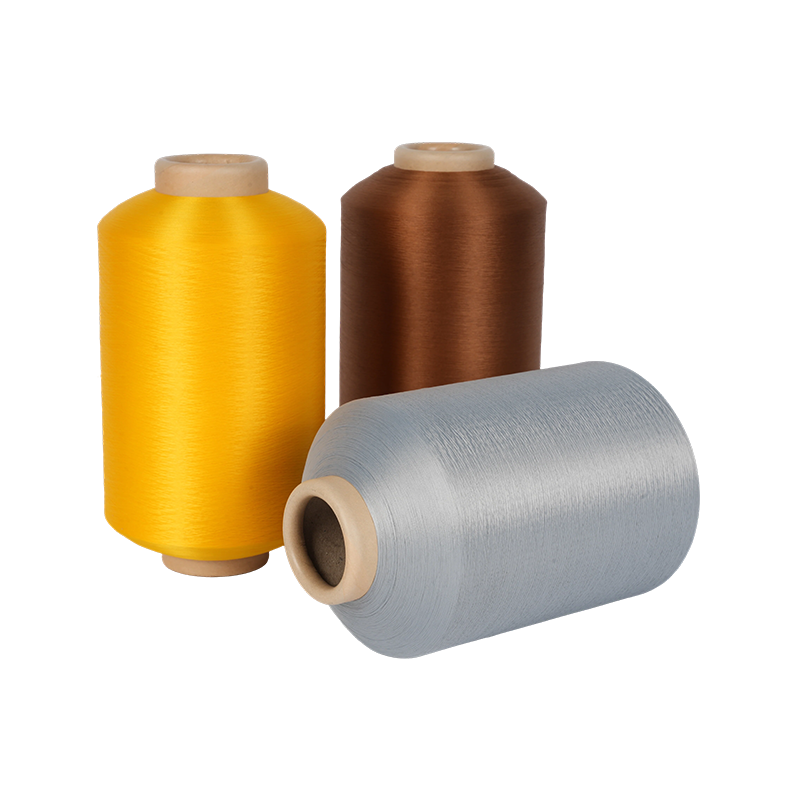
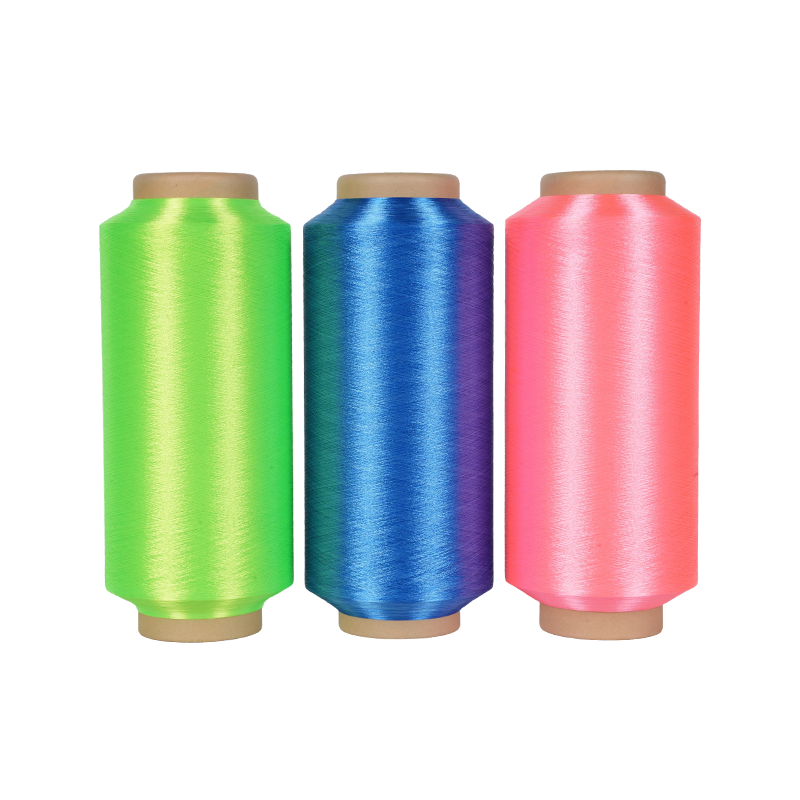
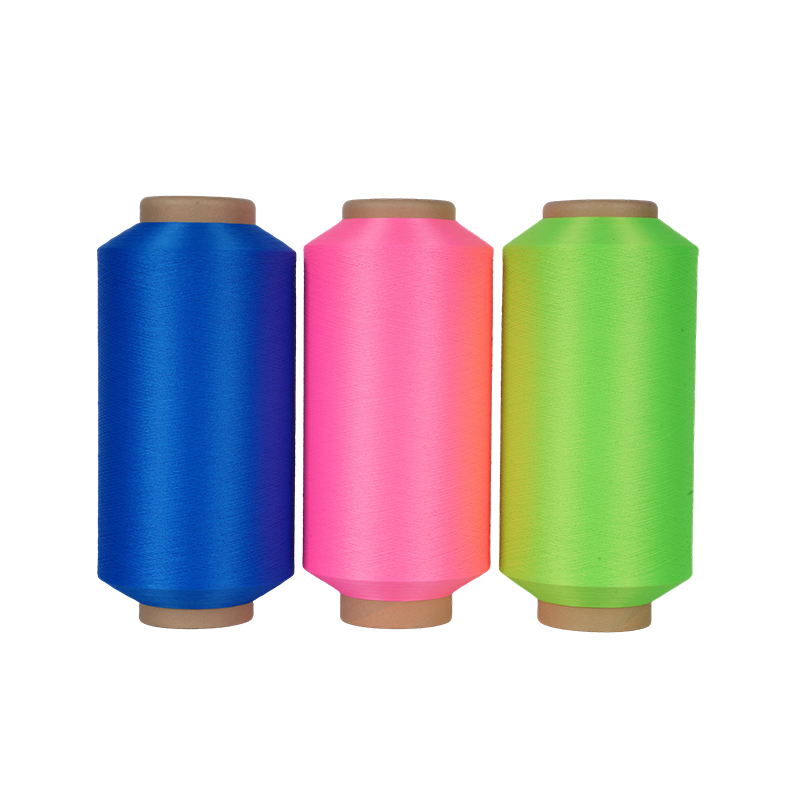
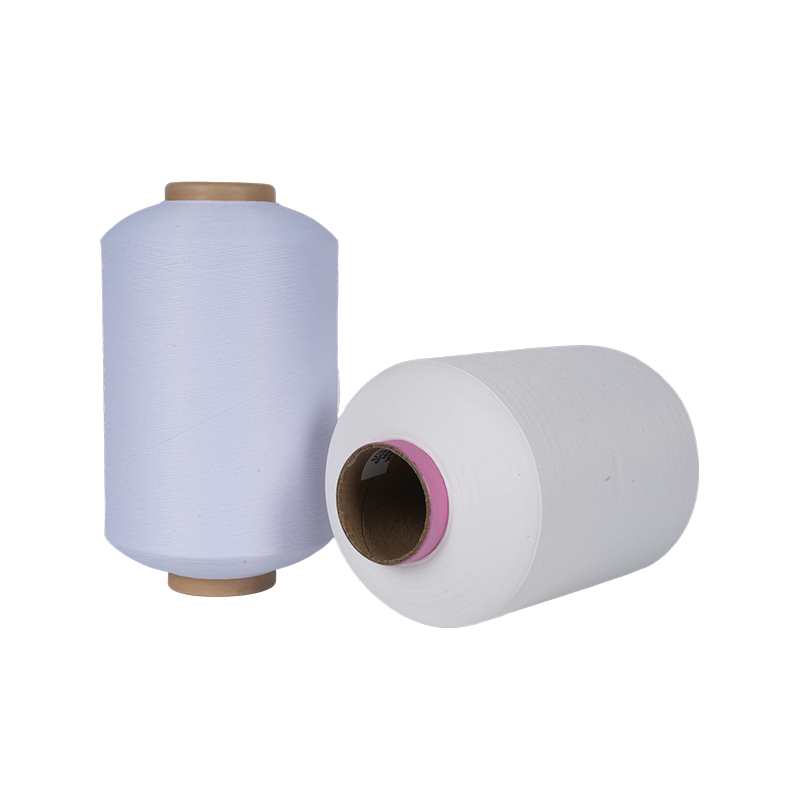
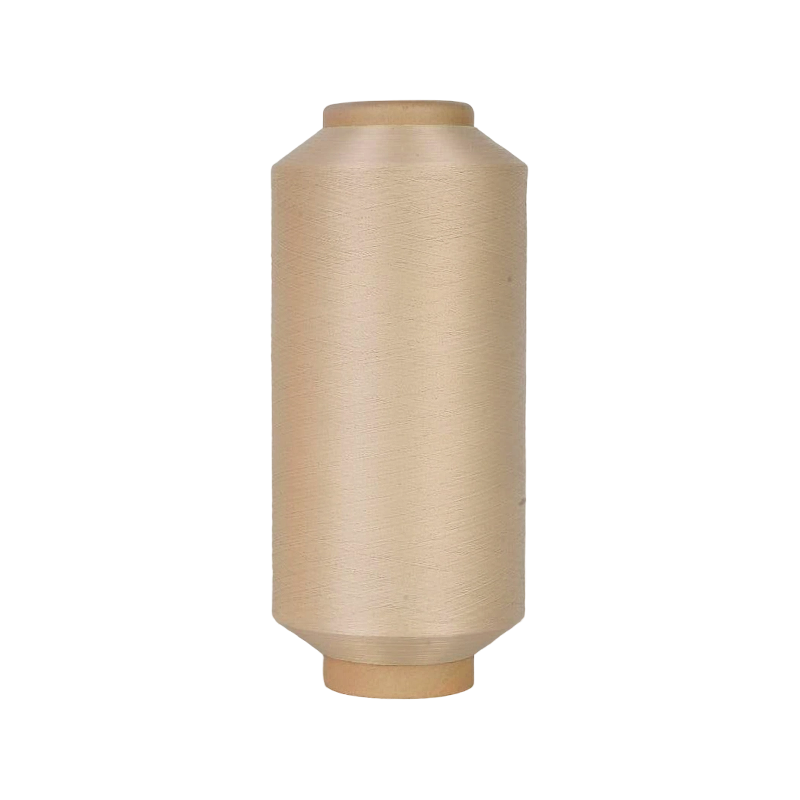
Cheese dyeing is commonly used for package-dyed yarns. During this process, yarn is wound onto perforated dyeing packages, allowing dye liquor to circulate through the yarn package. Proper winding density and package preparation are important because uneven packing can restrict liquor flow and affect dye uniformity.
At the manufacturing level, controlling material preparation, dyeing conditions, and finishing procedures helps reduce quality variations. Buyers should also request color samples and confirm approved shades before bulk production, particularly for repeat orders and brand-specific applications.
5. What Should Buyers Consider When Sourcing Twisted Yarn?
Choosing a supplier involves more than comparing quotations. Overseas buyers should provide clear application requirements so that manufacturers can recommend suitable yarn constructions and processing methods.
Before placing an order, consider the following factors:
- Material Composition: Confirm the fiber type and whether the yarn meets the intended application requirements.
- Yarn Count and Ply: Specify the required thickness, strand construction, and relevant tolerances.
- Twist Direction and Level: Confirm the required S-twist or Z-twist and the appropriate twist specification.
- Color Requirements: Provide physical samples or recognized color references for accurate shade matching.
- Packaging and Delivery: Discuss cone or cheese package requirements, order quantities, and delivery schedules.
Providing these details at the inquiry stage helps reduce misunderstandings and makes sample approval more efficient.
6. How Do Material Traceability and Responsible Sourcing Shape Yarn Procurement?
International textile buyers are paying increasing attention to where materials come from and how they are processed. Recycled polyester and other alternative fibers are receiving attention from brands seeking to diversify their material sourcing. However, material claims need appropriate documentation, and recycled content should be verified rather than assumed.
For yarn manufacturers, maintaining clear records of raw material sourcing, dyeing batches, and production processes can support more transparent cooperation. Buyers may also request relevant certifications and test reports according to their market and product requirements. These records are particularly useful for companies supplying international apparel brands and textile manufacturers.
7. Why Does an Integrated Dyeing Manufacturer Matter?
When yarn sourcing and dyeing involve multiple independent suppliers, communication gaps can make it harder to manage specifications and resolve quality issues. Working with a manufacturer that has direct dyeing capabilities can simplify coordination from raw material preparation to finished yarn packaging.
Dongyang Kunlang Textile Co., Ltd. combines export experience with its own manufacturing base, Dongyang Xupeng Thread & Tape Co., Ltd., a specialized cheese dyeing factory with over 25 years of experience. By integrating raw material sourcing, texturing, dyeing, finishing, and packaging, the company maintains closer control over key production stages. Its products serve customers in more than 20 countries across Southeast Asia, South Asia, and Europe.
For buyers sourcing Twisted Yarn for woven labels and other textile applications, understanding twist specifications, dyeing requirements, and production consistency is essential to making a suitable purchasing decision. A manufacturer with practical yarn processing and professional dyeing experience can provide more coordinated support, helping buyers maintain stable material quality and build dependable long-term supply relationships.
INFORMATION
-

288 Hulian W St, Light Industrial Park, Jiangbei, Dongyang, Zhejiang, China
-

+86-18101096022(WhatsApp/ Zalo)
+86-18267999333(Ms. Xu)
+86-15988822786(Ms. Shentu) -

jayaxu@kunlangtextile.com
Copyright © Dongyang Kunlang Textile Co., Ltd. Rights Reserved.
