
 English
 русский
 Español
-
jayaxu@kunlangtextile.com
-
+86-18101096022(WhatsApp/ Zalo)
+86-18267999333(Ms. Xu)
+86-15988822786(Ms. Shentu)
-

-

Can Cotton-Like Polyester Yarn Deliver the Comfort of Cotton with the Benefits of Polyester?
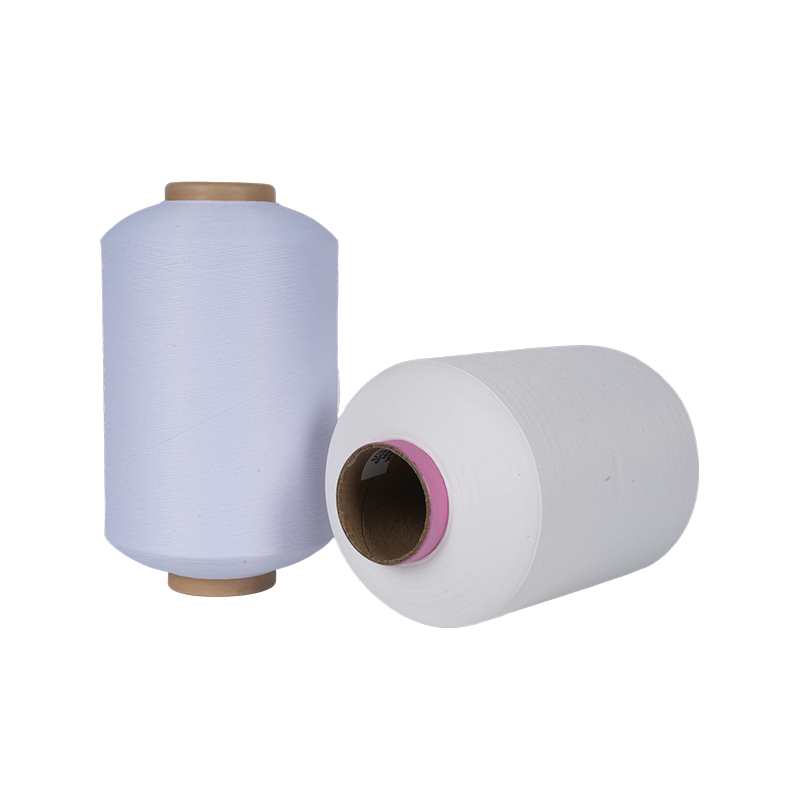
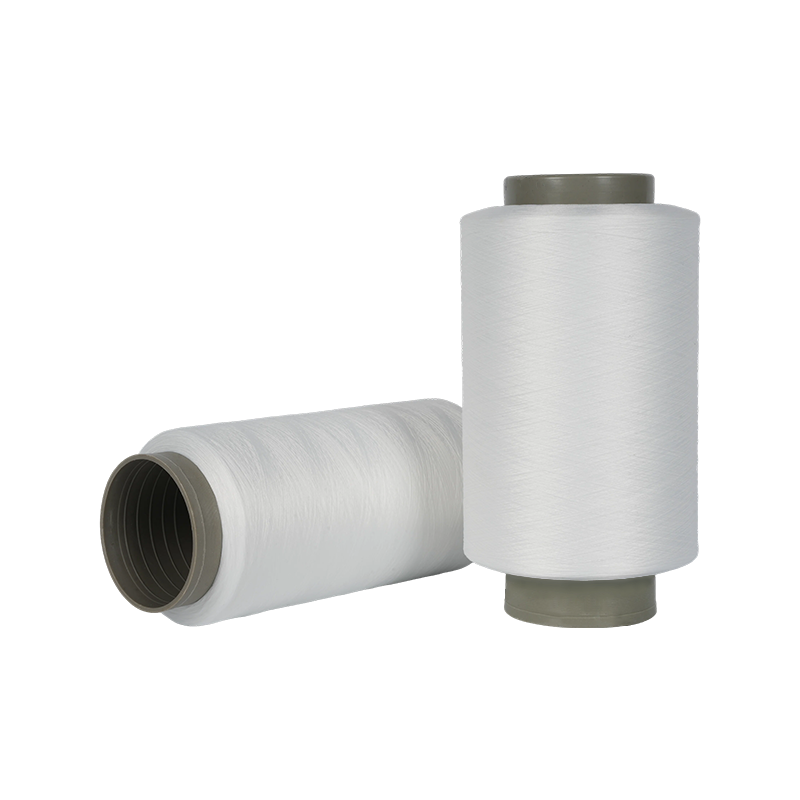
As apparel brands look for fabrics that combine a soft touch with practical performance, polyester yarn is being developed for applications that traditionally favor cotton. Cotton-Like Polyester Yarn offers an alternative for textile manufacturers who want a more natural-looking and comfortable fabric surface while retaining the processing advantages associated with polyester. However, achieving a cotton-like feel involves more than simply choosing polyester as a raw material. Fiber characteristics, yarn construction, texturing, and finishing all influence the final result. For fabric mills and garment manufacturers, understanding these factors is essential when selecting yarn for everyday clothing, casualwear, and other textile products.
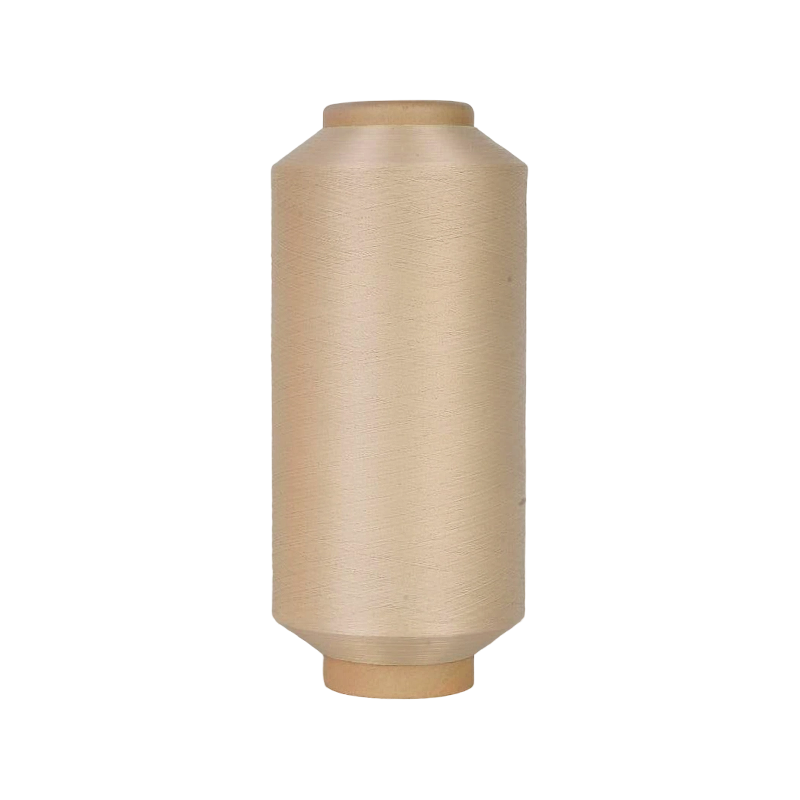
1. What Makes Polyester Yarn Feel Like Cotton?
Conventional polyester is known for its smooth surface, dimensional stability, and resistance to everyday wear. However, depending on its construction, some polyester fabrics may feel smoother or more synthetic than the soft, slightly textured surface associated with cotton.
Cotton-like polyester yarn is developed to create a softer handfeel and a more natural fabric appearance. This can involve adjustments to fiber fineness, cross-sectional shape, yarn structure, texturing, or finishing techniques. These processes influence surface friction, bulkiness, and the way the finished fabric feels against the skin.
For buyers, it is important to evaluate the actual yarn sample rather than relying on the product name alone. Different manufacturing methods can produce noticeably different textures, even when the yarns share a similar fiber composition.
2. Cotton-Like Polyester vs. Conventional Cotton: What Should Buyers Know?
Although cotton-like polyester is designed to imitate certain characteristics of cotton, the two materials have different physical properties. Understanding these differences helps buyers choose the right option for their target market and fabric applications.
- Handfeel: Cotton-like polyester is processed to achieve a softer, more natural touch, while cotton naturally provides a familiar soft and slightly textured surface.
- Moisture Behavior: Cotton absorbs moisture into its fibers, whereas polyester generally has lower moisture absorption. Engineered polyester structures may help move moisture across the fabric surface for evaporation.
- Shape Retention: Polyester generally offers good dimensional stability and resistance to wrinkling under normal use conditions.
- Care Requirements: Polyester fabrics can offer practical advantages in drying and maintenance, depending on fabric construction and finishing.
The right choice depends on the intended garment, wearing conditions, and required comfort characteristics. Cotton-like appearance should not automatically be interpreted as identical moisture absorption or breathability.
3. Why Are Soft-Touch Polyester Fabrics Gaining Attention?
Comfort has become an important consideration in apparel development, particularly in casualwear, loungewear, sportswear, and everyday basics. Textile brands are exploring materials that combine a pleasant handfeel with functional characteristics suitable for different wearing environments.
Recent textile development directions also show growing interest in soft polyester fabrics for relaxed outdoor clothing, hoodies, pullovers, joggers, and lightweight everyday garments. This creates opportunities for cotton-like polyester yarn in applications where conventional polyester may require additional texture or surface modification to meet the desired fabric feel.
For fabric developers, the challenge is to balance softness, fabric weight, flexibility, and durability. A yarn that feels comfortable in a sample may behave differently after knitting, weaving, dyeing, and finishing. Evaluating the complete fabric is therefore an important part of material selection.
4. How Does Yarn Dyeing Affect Color and Fabric Appearance?
Color quality is another important consideration when sourcing cotton-like polyester yarn. Fashion brands often require specific shades across multiple fabric styles, making accurate color matching and batch consistency essential for bulk production.
Polyester dyeing commonly uses disperse dyes, with dyeing conditions selected according to the yarn structure and processing requirements. During package dyeing, yarn is wound onto perforated packages so that dye liquor can circulate through the material. Consistent package density and suitable process control help achieve more uniform dye penetration.
At the manufacturing stage, several factors deserve attention:
- Maintain consistent yarn winding conditions before dyeing.
- Control dyeing parameters according to the material specifications.
- Compare finished shades against approved physical samples.
- Keep batch records to support repeat orders and color matching.
These steps help reduce avoidable shade variations and improve coordination between yarn suppliers and downstream fabric manufacturers.
5. Which Applications Are Suitable for Cotton-Like Polyester Yarn?
Thanks to its adaptable texture and processing characteristics, cotton-like polyester yarn can be considered for various textile applications. The final suitability depends on yarn specifications, fabric construction, and finishing requirements.
Common application areas include:
- Casualwear: T-shirts, casual tops, and everyday clothing requiring a softer fabric surface.
- Loungewear: Comfortable homewear, relaxed-fit garments, and soft-touch textile products.
- Sportswear: Selected activewear fabrics where moisture management and fabric structure are properly engineered.
- Knitted Fabrics: Lightweight jerseys and other knitted materials developed for daily apparel.
- Woven Fabrics: Shirts, casual trousers, and other products where a cotton-like appearance is desired.
Before confirming bulk orders, manufacturers should conduct sample trials using their actual knitting or weaving equipment to assess yarn compatibility and finished fabric performance.
6. What Should Importers Check Before Purchasing?
For international textile buyers, choosing a suitable supplier is just as important as selecting the yarn itself. Clear technical communication at the inquiry stage can prevent unnecessary sampling and production adjustments.
Buyers should confirm fiber composition, yarn count, construction, color requirements, packaging format, and intended processing method. It is also useful to request physical samples for evaluating softness, appearance, and processing behavior.
For brands considering recycled polyester, material origin and supporting documentation should also be reviewed. As international textile sourcing places greater emphasis on traceability, reliable product information helps buyers make informed decisions without relying on unsupported sustainability claims.
7. Why Choose a Manufacturer with Professional Yarn Dyeing Experience?
Stable yarn quality depends on coordination across multiple manufacturing stages. From raw material sourcing and texturing to dyeing, finishing, and packaging, each process contributes to the consistency of the final product. Working with a supplier that has direct manufacturing capabilities can make communication and quality management more straightforward.
Dongyang Kunlang Textile Co., Ltd. is an export-oriented company supported by its own manufacturing base, Dongyang Xupeng Thread & Tape Co., Ltd., a specialized cheese dyeing factory with over 25 years of experience. By integrating international trade expertise with professional dyeing capabilities, the company provides coordinated production services covering raw material sourcing, texturing, dyeing, finishing, and final packaging.
Serving customers in more than 20 countries across Southeast Asia, South Asia, and Europe, Kunlang Textile understands the importance of color accuracy, production consistency, and clear communication in international yarn sourcing. For buyers exploring Cotton-Like Polyester Yarn, discussing the intended fabric application, desired handfeel, and color requirements with an experienced yarn supplier is a practical starting point for developing suitable materials and building a reliable supply relationship.
INFORMATION
-

288 Hulian W St, Light Industrial Park, Jiangbei, Dongyang, Zhejiang, China
-

+86-18101096022(WhatsApp/ Zalo)
+86-18267999333(Ms. Xu)
+86-15988822786(Ms. Shentu) -

jayaxu@kunlangtextile.com
Copyright © Dongyang Kunlang Textile Co., Ltd. Rights Reserved.
